Critical safety information for anyone taking medications or with health conditions. Keto can work remarkably well - sometimes too well, too fast. Here's when and why you need medical supervision.
Topic
Weight Loss
Weight loss is traditionally explained by 'calories in, calories out'—eat less and move more. However, the Carbohydrate-Insulin Model suggests that what you eat matters more than how much, since different foods affect hormones like insulin that control fat storage and hunger. Research shows both approaches can work, but many people find low-carb eating leads to weight loss without constant hunger or calorie counting, challenging the simple 'eat less' narrative.
Article (2)
You've tried everything. Eaten less, exercised more, counted calories. But the weight won't budge. What if the problem was never your lack of willpower — but a fuel switch that got stuck?
Video (1)

An interview with Dr. Ben Bikman, on how Insulin resistance silently shapes the trajectory of nearly every major chronic disease, yet it's often overlooked until blood sugar abnormalities become obvious.
Book (2)

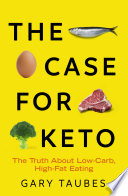
The Case for Keto
The Truth About Low-Carb, High-Fat Eating
'The Case for Keto' challenges what we've been told about healthy eating and presents evidence for why a ketogenic lifestyle might be the key to reversing obesity and metabolic disease.
Research (6)
A nurse‑delivered, real‑food low‑energy, low‑carb plan led to far greater weight loss and HbA1c reductions in 12 weeks than usual care. Short‑term cardiometabolic markers and medication use improved too.
You might wonder: Is weight loss without constant hunger even possible? Research on type 2 diabetes patients showed that a low-carb diet caused a spontaneous drop in daily calorie intake, while simultaneously boosting insulin sensitivity by 75%
Tired of regaining weight after dieting? Research shows that a low-carb diet significantly boosts your daily calorie burn—up to 478 calories for those with high insulin secretion—making long-term weight maintenance dramatically easier.
Lower‑carb guidance in a UK GP practice led to 46% drug‑free type 2 diabetes remission and 93% normalization of prediabetes, with significant drops in HbA1c, weight, BP, and triglycerides.
Low-carb diets match or beat low-fat for Type 2 diabetes—often cutting meds and improving HbA1c—without evidence of increased cardiovascular risk.